
5 Fun Ways to Support Your Child’s Learning This Season
As the leaves change colour and the air turns crisp, autumn brings a brand-new season of discovery for young children. Nature undergoes incredible transformations in autumn, making it one of the year’s richest times for hands-on, sensory-driven early learning.
You don’t need fancy equipment to spark your child’s curiosity this season—just a pair of wellies, a warm coat, and a sense of adventure! Here are five simple, play-based ways to support your child’s development at home and outdoors this autumn.
Go on an Autumn Treasure Hunt
A simple walk in the park or garden can become an exciting scientific exploration. Spotting and gathering natural objects can help children practice observation, language skills, and classification.
- Collect nature’s treasures: Give your child a small bag or bucket to collect acorns, pinecones, shiny chestnuts, and fallen leaves.
- Talk about what you find: Describe colours, shapes, and textures (“Look at this bumpy acorn,” or “This leaf is smooth and golden”).
- Count and sort: Back home, group your treasures by size, shape, or colour, or line them up from smallest to largest to practice early math skills.
Embrace Messy, Puddle-Jumping Play
Don’t let rainy days keep you inside! Rainy weather offers unique opportunities for physical development and cause-and-effect learning.
- Build gross motor skills: Splashing and jumping in puddles strengthens leg muscles, balance, and spatial awareness.
- Explore physics through play: Drop leaves, twigs, or small pebbles into a puddle to see what floats, what sinks, and how the water ripples.
- Practice self-care skills: Getting zipped up in waterproofs and pulling on wellies builds fine motor skills, independence, and patience.
Create Autumn Leaf & Nature Art
Seasonal crafts encourage creativity while honing fine motor control and hand-eye coordination.
- Leaf Rubbings: Place textured autumn leaves under a sheet of paper and let your child rub a crayon over the top to reveal the leaf patterns and veins.
- Leaf Printing: Dip leaves into child-safe paint and press them onto paper to create colourful autumnal patterns.
- Sticky Nature Crowns: Wrap a strip of painter’s tape around your child’s wrist or make a paper headband with tape on the outside, then stick small leaves and flower petals to it on your walk.
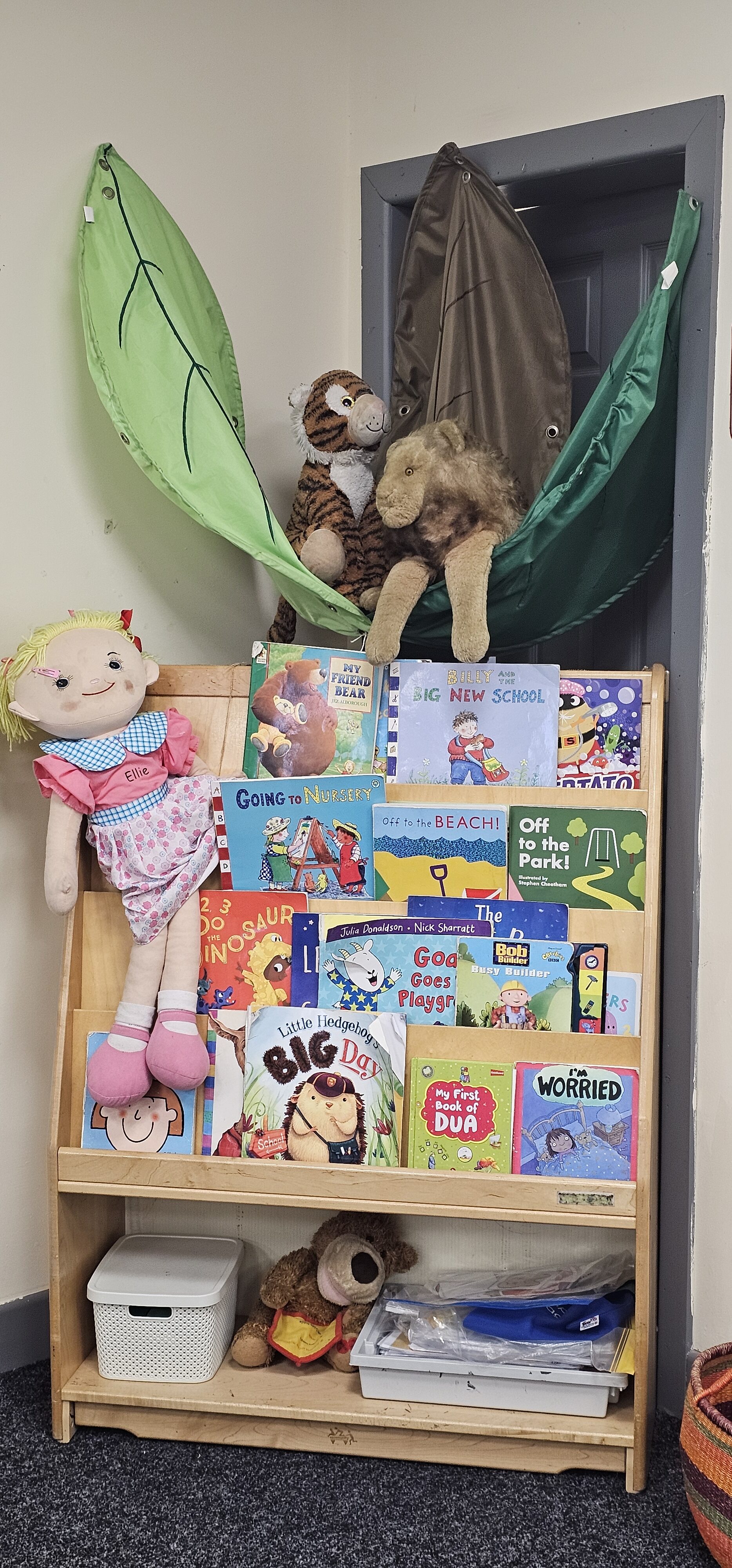
Snuggle Up for Cosy Season Storytime
As the days get shorter, crisp autumn afternoons are the perfect excuse to wind down with cosy indoor reading.
- Choose seasonal books: Read stories about changing weather, hibernation, falling leaves, or nocturnal animals like owls and hedgehogs.
- Ask interactive questions: Point to illustrations and ask, “Why do you think the squirrel is gathering nuts?” or “How do you think the forest animals stay warm?”
- Build vocabulary: Introduce rich seasonal words like crisp, rustle, hibernate, and golden.
Explore Warm & Cosy Sensory Bins
Sensory play helps young children build neural connections, improve concentration, and regulate their emotions.
- Autumn Sensory Tub: Fill a shallow plastic container with dried popcorn kernels, pumpkin seeds, pinecones, and cinnamon sticks. Add scoops, spoons, and small cups for pouring and measuring.
- Warm Playdough: Make homemade warm-spiced playdough by adding a dash of cinnamon or pumpkin pie spice. Kneading, rolling, and squishing the dough builds the hand strength needed for writing at school.
Learning in Every Season
At our nursery, we embrace outdoor learning all year round—rain, shine, or falling leaves! Autumn provides endless inspiration for children to explore, ask questions, and marvel at the natural world around them.